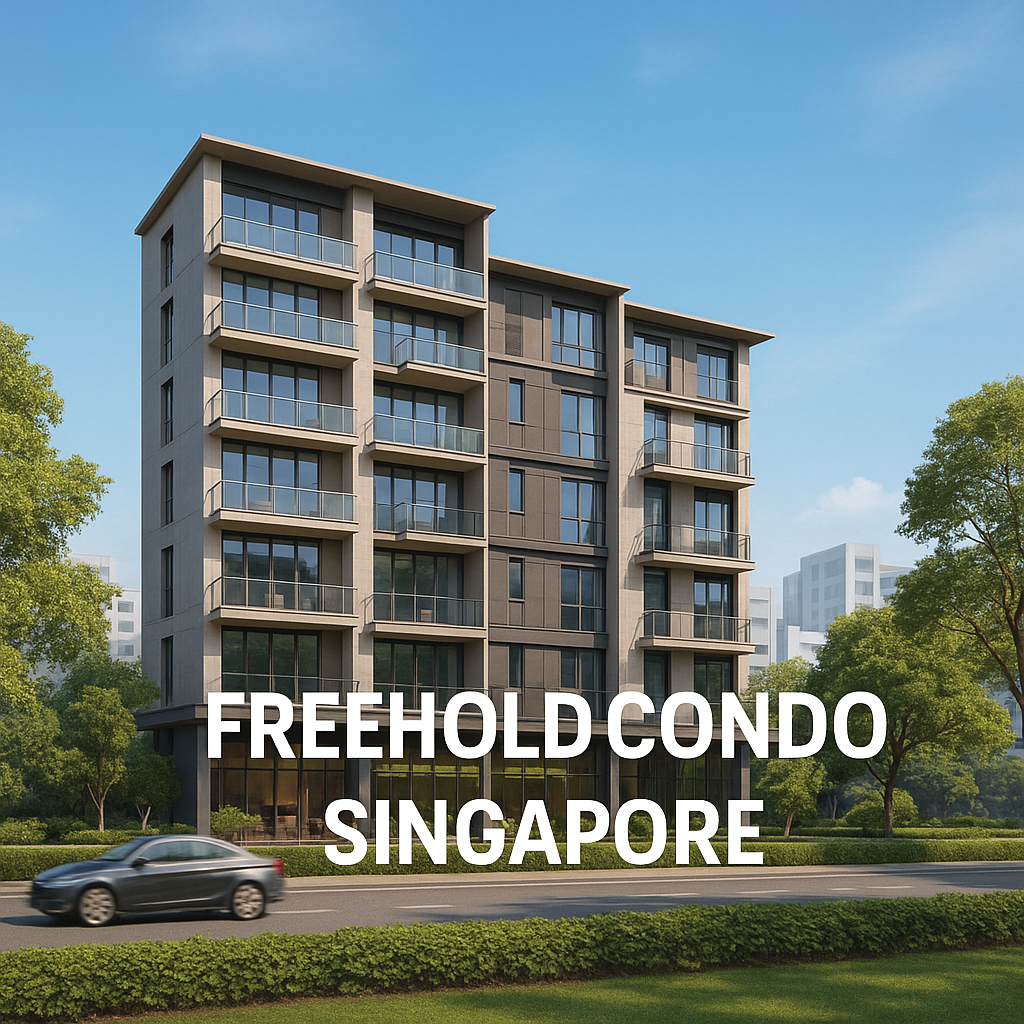
When it comes to property in Singapore, the ongoing discussion about freehold and leasehold ownership never seems to fade. Freehold homes are seen as enduring assets that can be passed from one generation to the next without the ticking clock of lease decay. Yet is freehold always worth the premium? For both buyers and sellers, understanding the nuances of freehold ownership leads to better, more informed decisions.
Location Advantages
Freehold properties are often found in older, established neighbourhoods within Singapore’s central districts. These areas provide easy access to schools, retail, and transport hubs. Buyers should consider whether a freehold’s location justifies its higher price compared with nearby leasehold developments.
Prime zones such as Orchard, Novena, and River Valley tend to hold value better over time, a pattern reflected in freehold condominiums in Singapore that justify their premium. Well-positioned homes in mature enclaves continue to attract steady demand through different property market cycles.
Lifestyle and Buyer Appeal
Freehold condos appeal to families who see their homes as long-term legacies. In mature estates, these developments combine comfort, familiarity, and access to lifestyle amenities such as parks, eateries, and reputable schools. Buyers who value community and convenience often prefer this sense of permanence over the novelty of newer leasehold launches.
Sellers can highlight this lifestyle value when marketing their units, especially in competitive markets. Strong narratives around daily convenience, established neighbourhoods, and family-friendly amenities can create meaningful differentiation, just as seen in new launch condos in District 15 where heritage areas continue to perform well against newer precincts.
Investment Potential
Many investors assume that freehold titles automatically deliver stronger returns, but actual performance depends on market timing, condition, and buyer demand. Data from Singapore’s freehold versus leasehold investment analysis shows that leasehold properties can outperform freehold ones under the right conditions, particularly when entry prices are more accessible and rental yields are higher.
A long-term outlook is key. Freehold ownership provides flexibility and legacy, but it should align with the buyer’s financial goals and risk appetite rather than serve as a guarantee of superior returns.
Pros and Cons for Buyers and Sellers
For buyers, the appeal of freehold ownership lies in indefinite tenure and the assurance of holding an asset for generations. However, the premium can strain affordability, and higher prices don’t always translate to higher appreciation. Sellers enjoy stronger perceived value, but market expectations remain tied to location, design, and maintenance quality.
Owners planning for the future should assess how tenure fits within their broader wealth strategy. Insights from property as part of your retirement plan explain how freehold assets can contribute to long-term stability and intergenerational wealth.
Financing and Policy Considerations
Even with perpetual tenure, freehold properties are still governed by financing frameworks such as TDSR, loan-to-value limits, and ABSD rules. Buyers must evaluate total debt obligations and ensure that their purchase aligns with available capital and cash flow resilience.
Proper financial planning enables buyers to enjoy the security of freehold ownership without over-leveraging, making tenure an advantage rather than a burden.
Conclusion
Freehold properties in Singapore carry undeniable prestige and legacy value, but they are not always the best investment for every buyer. Success comes from balancing emotional appeal with financial logic, understanding market timing, and focusing on lifestyle benefits that justify the price premium.
Contact me today for a personalised consultation and tailored property strategy.
Frequently Asked Questions (FAQ)
Are freehold condos always more expensive?
Yes. They typically carry a premium over leasehold properties, especially in central districts where land scarcity drives demand.
Do freehold properties always appreciate better?
Not necessarily. Trends in Singapore’s freehold versus leasehold market show that appreciation depends on timing, demand, and upkeep.
Can foreigners buy freehold property in Singapore?
Foreigners may buy freehold condominiums, but landed homes require government approval.
Should sellers expect large resale premiums?
Only when the property’s quality and location align with buyer expectations. Tenure alone does not guarantee a premium.
What financing considerations apply to freehold buyers?All buyers must adhere to TDSR and mortgage limits. Guidance on financing frameworks can be found in the ABSD and financing guide.