Last Updated on October 22, 2025
Estimated reading time: 3 minutes
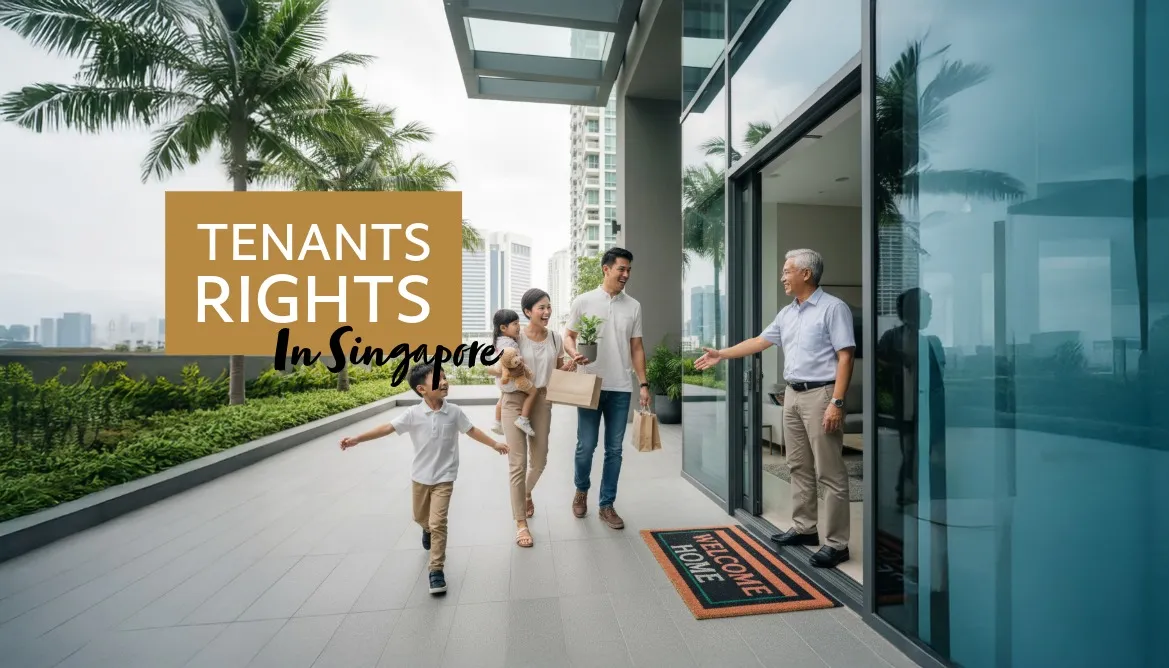
Understanding tenant rights in Singapore is essential for both landlords and renters to create fair, transparent, and stress-free rental experiences. With clear guidelines on obligations and protections, tenants gain confidence in securing homes while landlords can manage risks more effectively. This guide explores tenant profiles, legal obligations, and practical tips for landlords navigating Singapore’s rental market.
Tenant Profiles in Singapore
Tenant profiles vary widely depending on demographics, lifestyle needs, and financial capacity. Families often prioritise access to schools and amenities, while young professionals look for central locations with short commutes. Expatriates may prefer condominiums with full facilities. A clear understanding of tenant profiles helps landlords market their properties effectively and anticipate tenant expectations.
Key Tenant Rights and Protections
Tenants in Singapore benefit from contractual safeguards under tenancy agreements. These include:
-Right to quiet enjoyment: Tenants are entitled to use the property without unreasonable interference.
-Security of tenure: Agreements specify lease terms, ensuring clarity on duration.
-Fair use of deposits: Security deposits must be handled transparently and returned subject to the property condition.
Policies such as ABSD indirectly affect tenant markets by shaping landlord purchase behaviours, which in turn influence rental supply and pricing.
Tenant Obligations to Landlords
Just as landlords must provide habitable living conditions, tenants have obligations too. These include timely rent payment, responsible property use, and adherence to tenancy terms. Disputes often arise when tenants overlook obligations around minor repairs or utility bills. Following clear guidelines reduces conflicts and supports smoother rental relationships.
Landlord Tips for Effective Tenancy Management
Landlords in Singapore can protect their investments and build positive relationships by:
- Drafting clear tenancy agreements that outline responsibilities in detail.
- Manage financing and ensure sustainable rental yields.
- Staying informed about demographic trends and tenant preferences.
Balancing Rights and Responsibilities
A healthy landlord-tenant relationship is built on mutual respect. While tenants are protected under Singapore’s legal framework, landlords who remain proactive about maintenance and transparent communication ensure greater satisfaction. Over time, this balance creates higher tenancy renewal rates and reduces costly vacancies.
Conclusion
Tenant rights in Singapore are designed to protect renters while ensuring landlords retain necessary safeguards. By understanding profiles, obligations, and market influences, both parties can enjoy stable and mutually beneficial rental arrangements.
Contact me today for a property consultation and tailored strategy.
Frequently Asked Questions (FAQ)
What rights do tenants in Singapore have?
Tenants are entitled to quiet enjoyment, fair use of deposits, and lease security under their tenancy agreement.
What are tenants’ obligations in Singapore?
They must pay rent promptly, maintain the property responsibly, and follow the agreed terms in the tenancy contract.
How can landlords reduce tenancy disputes?
Clear agreements, regular communication, and transparency with deposits reduce conflicts.
Do government policies affect tenants?
Yes, measures like ABSD and TDSR influence landlord purchase behaviour, which shapes rental pricing and supply.