Last Updated on November 3, 2026
Estimated reading time: 19 minutes
Thomson Reserve has delivered one of 2026’s strongest launch-day results. The Upper Thomson development sold 1,143 of its 1,268 homes—just over 90%—at an average price of about $2,900 psf.
The result was backed by unusually strong demand before booking day: approximately 32,000 people visited the sales gallery and more than 3,300 cheques were collected, equivalent to over 2.6 times the number of available homes.
More revealing than the headline percentage was what buyers chose. All 350 three-bedroom homes and all 174 four-bedroom homes were sold, while 26 of the 28 five-bedroom suites found buyers. Nearly all four- and five-bedroom homes had already been taken during the earlier VIP booking, which was mainly for former owners, staff, agents and multiple-purchase buyers.
This review now looks beyond the launch-day excitement: whether the pricing represents value, what the sales pattern says about the buyer pool, which remaining units deserve attention, and how Thomson Reserve scores under my five-factor buyer framework.
Thomson Reserve launch result (1 November 2026)
The sales funnel was exceptional: about 32,000 preview visitors and more than 3,300 cheques for 1,268 homes. Cheques are an expression of interest rather than a sale, but the eventual conversion—especially across larger family units—shows that the demand was not merely curiosity.
The strongest signal came from the Luxury Collection and larger homes. All four-bedroom units sold, only two five-bedroom suites remained after launch, and nearly all four- and five-bedroom homes were already taken during VIP booking. That points to genuine depth among affluent own-stay and multi-generational buyers, not only entry-quantum demand.
- 90.1% sold: 1,143 of 1,268 homes were sold at an average of about $2,900 psf.
- Demand was broad: approximately 32,000 visitors and more than 3,300 cheques preceded booking day.
- Family-sized homes led: all 350 three-bedroom and all 174 four-bedroom homes sold; 26 of 28 five-bedroom suites sold.
- Pricing gained credibility: the nearby Lorong Puntong GLS site was awarded at about $1,612 psf ppr, roughly 37% above Thomson Reserve’s approximately $1,178 psf ppr land cost.
- Selection still matters: a 90% sell-through validates the project, but it does not make every remaining unit equally attractive.
- My rating: 88/100 — Standout, assessed on 1 November 2026.
What the launch response tells us
One of 2026’s clearest demand signals
Thomson Reserve converted a heavily oversubscribed preview into 1,143 sales. The larger-home absorption is particularly important because those purchases required substantially higher absolute budgets.
My Ratings: 88/100





Why 11/15 for rentability? The walkable MRT, mature amenities and family-oriented location should support leasing demand. However, more than half the development comprises two-bedroom homes, creating meaningful internal competition among landlords. At an average purchase price near $2,900 psf, gross yields may also be moderate even where achievable rents are healthy.
Thomson Reserve project snapshot
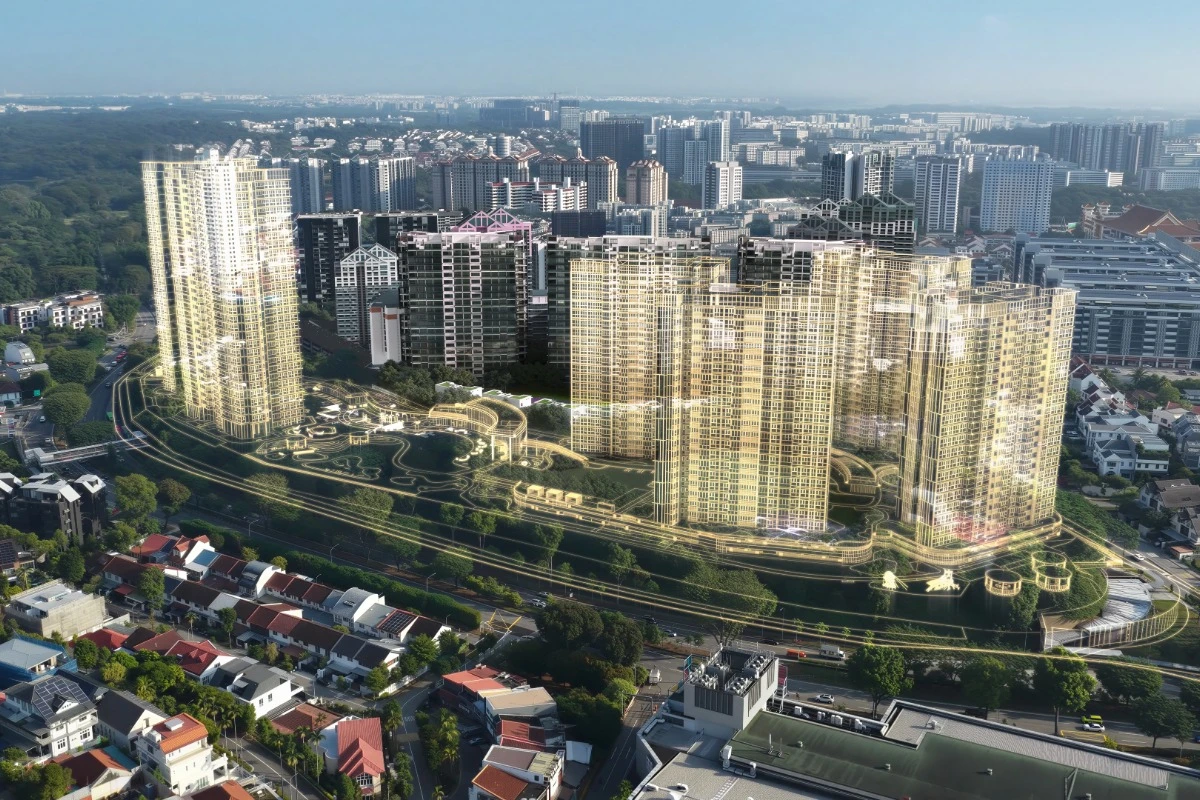
Thomson Reserve is the redevelopment of the former Thomson View en bloc site, a major private residential land parcel in District 20’s Upper Thomson / Bright Hill enclave.
| Former Site | Thomson View |
|---|---|
| Project Name | Thomson Reserve |
| District | District 20 (Upper Thomson / Bright Hill) |
| Tenure | 99-year leasehold |
| Development Vehicle | Tamarind Development Pte. Ltd. |
| Developer Partnership | UOL Group, Singapore Land Group and CapitaLand Development |
| Estimated Scale | Approximately 1,268 units |
| Blocks | Four 21-storey Classic blocks and two 30-storey Luxury blocks |
| Collections | Classic Collection and Luxury Collection |
| Expected vacant possession (NOVP) | 28 February 2031 |
| Expected legal completion | 28 February 2034 |
| Car parking | 1,021 residential lots, including 31 EV lots and 7 accessible lots |
| Launch Result | 1,143 of 1,268 homes sold (90.1%) |
| Average Launch Price | About $2,900 psf |
| Prices & Floor Plans | Launch prices and floor plans released; remaining availability is subject to change |
| Land Cost | About $1,178 psf ppr |
| Key Strengths | Ai Tong proximity, MRT access, Thomson Plaza, mature lifestyle amenities and nature access |
Thomson Reserve unit mix at a glance
| Home type | Homes | Size range | Share of project |
|---|---|---|---|
| 2-bedroom, + Premium and study options | 716 | 592–775 sq ft | 56.5% |
| 3-bedroom, + Premium and study options | 350 | 947–1,152 sq ft | 27.6% |
| 4-bedroom, + Premium and private-lift options | 174 | 1,238–1,485 sq ft | 13.7% |
| 5-bedroom suite with private lift | 28 | 1,808 sq ft | 2.2% |
| Total | 1,268 | 100% |
The 716 two-bedroom homes account for more than half the project, so buyers of common smaller layouts should pay particular attention to stack, floor and entry price. Counts combine the developer’s individual types; size ranges include Classic and Luxury Collection variants. Unit-mix figures are from the developer materials. Launch sales are discussed separately because the remaining selection changes over time.
The UOL, SingLand and CapitaLand partnership gives this large District 20 project an established developer lineup. Buyers can now judge both the product and its launch pricing. The 90% sell-through supports the market proposition, although value still depends on the individual unit, facing and premium.
The 1,268-home scale supports a broad unit mix and extensive communal space, but it also raises the importance of choosing a layout and stack that will stand out if similar homes resell at the same time.
The approximately $1,178 psf ppr land cost gave the developers a comparatively strong starting point. Buyers should still compare each unit’s quantum and usable layout with nearby resale alternatives rather than relying on land cost alone.
The launch has removed the largest pricing unknown. What remains is the unit-level decision: layout efficiency, view, privacy, road exposure and whether the premium for a particular stack or floor is justified.
Why Former Thomson View Was Already a Closely Watched Site
Not every redevelopment site carries the same level of anticipation. Former Thomson View stands out because large private residential sites in mature Upper Thomson are not common.
Unlike some new launches that depend heavily on future transformation, Thomson Reserve enters a district that already has transport, retail, food, schools, private housing, landed homes, and access to nature. This matters because buyers are not simply betting on a future neighborhood. They are buying into an area that already works for many households today.
This is one reason the former Thomson View site has strategic appeal. It is not only about the address. It is about the combination of location, land size, family utility, and redevelopment potential.
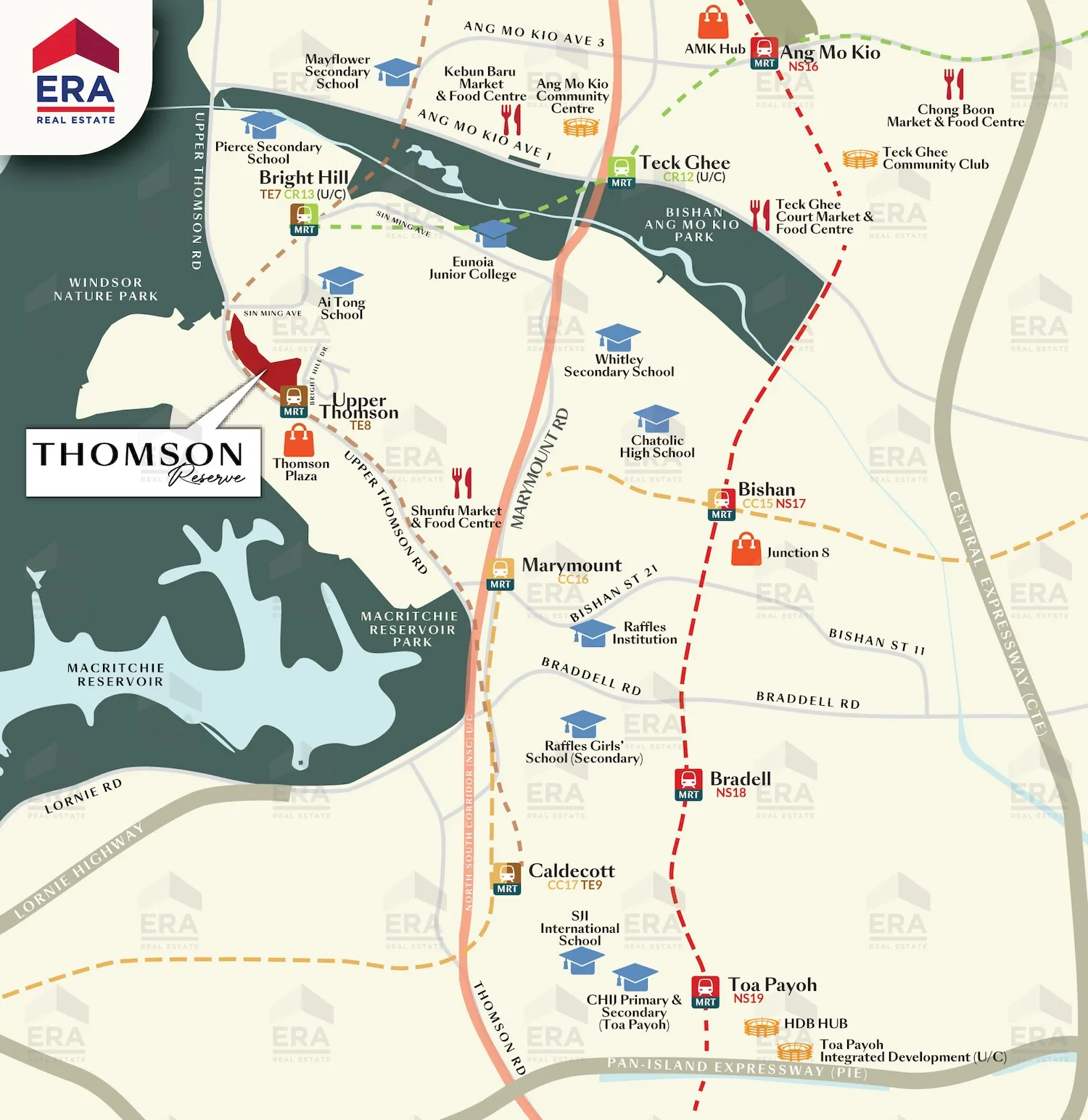
Upper Thomson’s Real Strength: Schools, MRT, Lifestyle and Nature
Upper Thomson’s appeal is not built on a single factor. It is the layering of several practical advantages that makes the location interesting.
Ai Tong School and Family Demand
For family buyers, Ai Tong School is likely to be one of Thomson Reserve’s strongest demand anchors. School proximity can shape buyer behavior in Singapore, especially for families seeking a long-term home within a familiar education ecosystem.
This does not mean every buyer will be school-driven. But it does mean Thomson Reserve may benefit from a deeper owner-occupier pool than a project relying mainly on investor demand.
For a wider comparison, see my guide to condos near Ai Tong School and Bright Hill MRT, including what school proximity does—and does not—mean for buyers.
Upper Thomson MRT and Thomson Plaza
Transport and daily convenience are also important. Upper Thomson MRT improves connectivity, while Thomson Plaza provides a mature retail anchor. Around Upper Thomson Road, buyers also get access to food options, cafes, enrichment centers, and daily services.
This makes the location more liveable than a purely residential enclave. Buyers are not just paying for a condo; they are paying for a district that already supports daily routines.
MacRitchie, Lower Peirce and Greenery Appeal
One of Thomson Reserve’s more distinctive strengths is its proximity to major green and reservoir areas. MacRitchie Reservoir, Lower Peirce Reservoir and Windsor Nature Park help create a lifestyle angle that many dense new launch locations cannot easily replicate.
Depending on final orientation and stack selection, selected higher-floor units may also enjoy better openness or greenery-facing potential. This should not be treated as a blanket advantage for every unit, but it could matter meaningfully for buyers who value views, airiness and a stronger nature connection.
Classic Collection vs Luxury Collection: What Buyers Should Assess
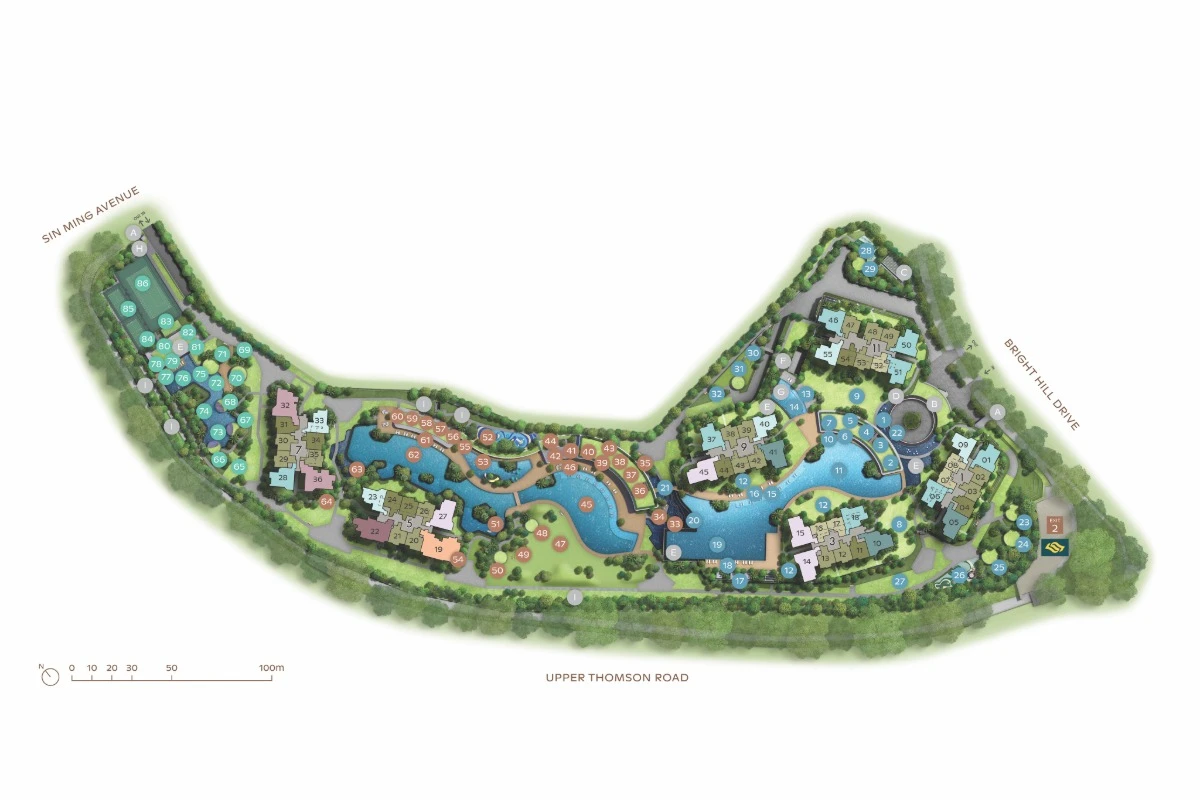
The Classic Collection occupies Blocks 1, 3, 9 and 11, each 21 storeys; the Luxury Collection occupies Blocks 5 and 7, each 30 storeys. The Luxury towers are nearer the Singapore Island Country Club, but the brochure’s greenery-view positioning should not be read as a guarantee for every floor or stack.
The released plans show several ways into the project: a 592 sq ft two-bedroom, 678 sq ft two-bedroom premium, 732–775 sq ft two-bedroom premium with study, 947 sq ft three-bedroom, and larger family layouts up to a 1,808 sq ft five-bedroom suite. Compare the study’s usable dimensions, kitchen and yard arrangement, balcony area and furniture placement rather than choosing by bedroom label alone.
The plans now allow buyers to compare room arrangement, balconies, studies, household space and private-lift access. Smaller Luxury units are not automatically larger than their Classic counterparts: some share the same stated area, so the value of the upgrade will depend on facing, finishes, privacy and the eventual price.
Site Layout and Stack Selection May Matter More Than Usual
Thomson Reserve’s location has many advantages, but buyers should not assume that every stack will benefit equally.
The site appears to have multiple frontages and different surrounding conditions. Some stacks may benefit from better openness, greenery orientation or quieter facing. Others may be more exposed to road movement, traffic noise or internal density.
This means unit selection may become a key part of the buying decision. In a large project, the difference between a stronger and a weaker stack can be meaningful, especially when buyers are paying new-launch pricing.
This is one reason buyers may benefit from understanding how layout trade-offs in large developments can shape liveability, efficiency, and long-term resale appeal beyond headline square footage alone.
The site plan and unit distribution charts now make block and stack selection more concrete. Compare the orientation of the actual unit with neighbouring blocks, road exposure, afternoon sun, facilities and potential view obstructions. Perspective images illustrate a possible outlook; they should not stand in for a floor-specific view check.

Looking at the remaining Thomson Reserve units?
I can help you compare layout, facing, premium and exit appeal before you commit to the narrower post-launch selection.
What Nearby Resale Projects Reveal About Upper Thomson
One reason Thomson Reserve deserves attention is that Upper Thomson is not an untested location. Nearby resale projects already give useful clues about buyer demand, price resilience, and the level of premium this micro-market can support.
Two of the most useful nearby benchmarks are Thomson Three and Thomson Impressions. Both are relatively modern 99-year leasehold projects in the same broad Upper Thomson/Bright Hill ecosystem.
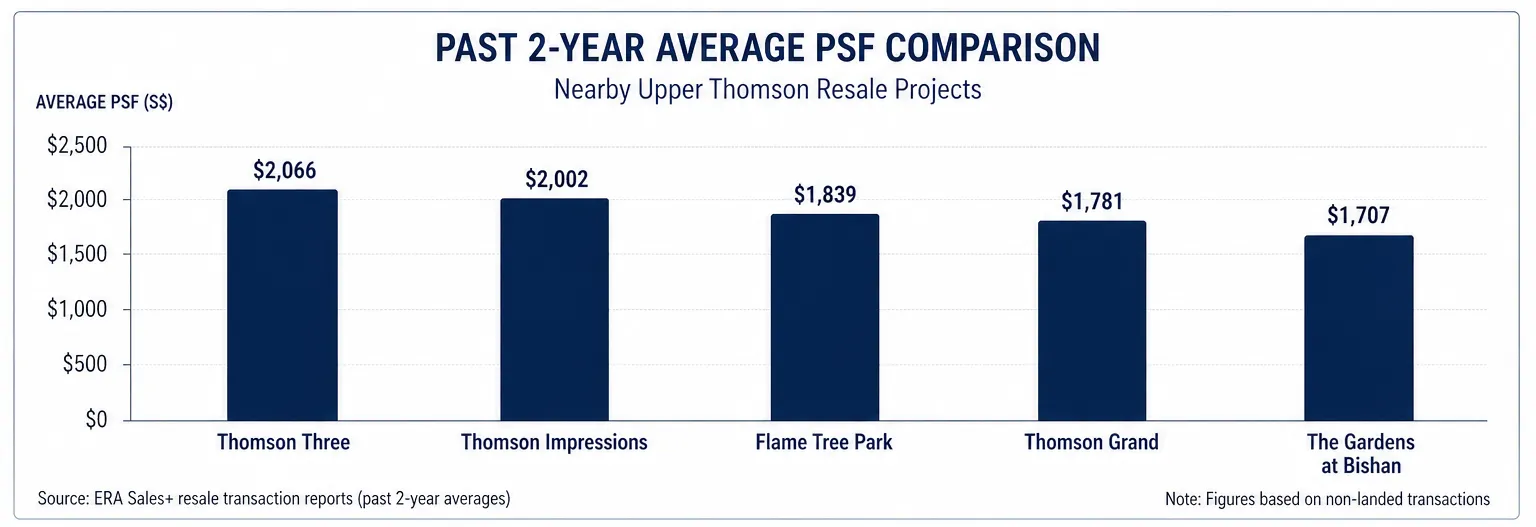
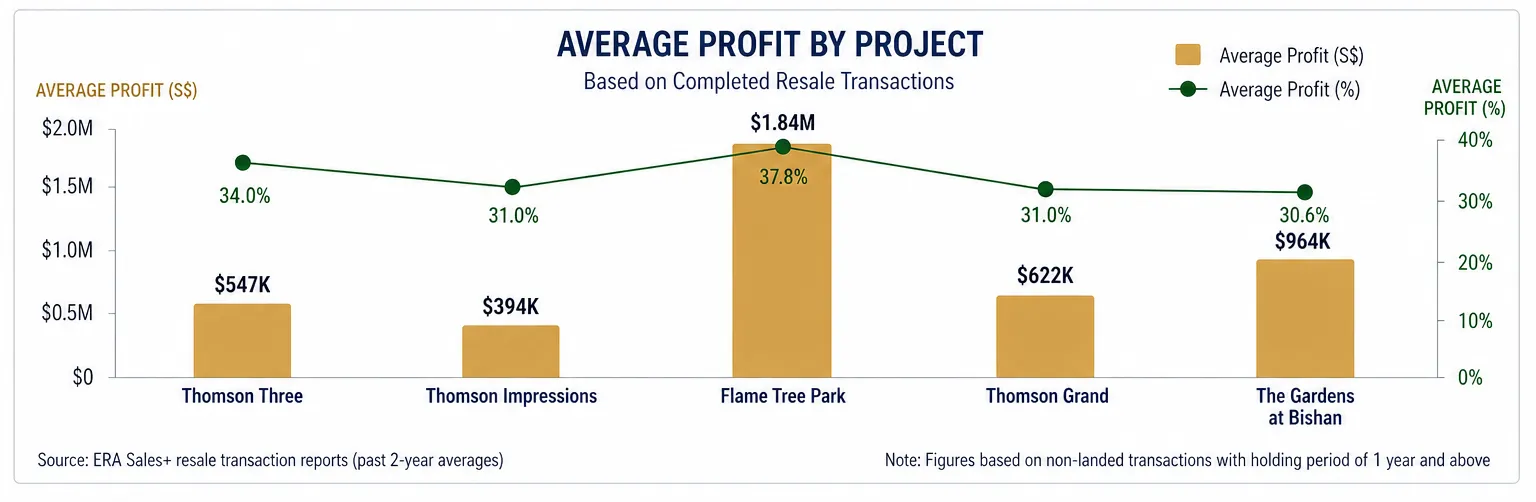
| Project | TOP | Units | Past 2Y Avg PSF | Past 2Y Avg Profit | Unprofitable Transactions |
|---|---|---|---|---|---|
| Thomson Three | 2016 | 445 | About $2,066 psf | About $547k | None recorded |
| Thomson Impressions | 2018 | 288 | About $2,002 psf | About $394k | None recorded |
| Flame Tree Park | 1989 | 160 | About $1,839 psf | About $1.84m | None recorded |
| Thomson Grand | 2015 | 361 | About $1,781 psf | About $622k | None recorded |
| The Gardens at Bishan | 2004 | 756 | About $1,707 psf | About $964k | None recorded |
The key takeaway is not that Thomson Reserve will automatically outperform. That would be too simplistic. The more useful observation is that the nearby Upper Thomson and Bright Hill markets have already demonstrated their ability to support meaningful resale pricing.
Thomson Three and Thomson Impressions are especially relevant because they show that buyers have already accepted resale pricing around the $2,000 psf level for relatively modern projects in this area. That gives Thomson Reserve a stronger district foundation than a launch located in a completely untested precinct.
At the same time, this data also raises the bar. If Thomson Reserve launches at a significant premium over nearby resale benchmarks, buyers should ask what they are receiving in return. Newness, facilities, scale, and branding may justify some premium, but the entry price still matters.
Mega Development Advantage: Why Scale Can Help
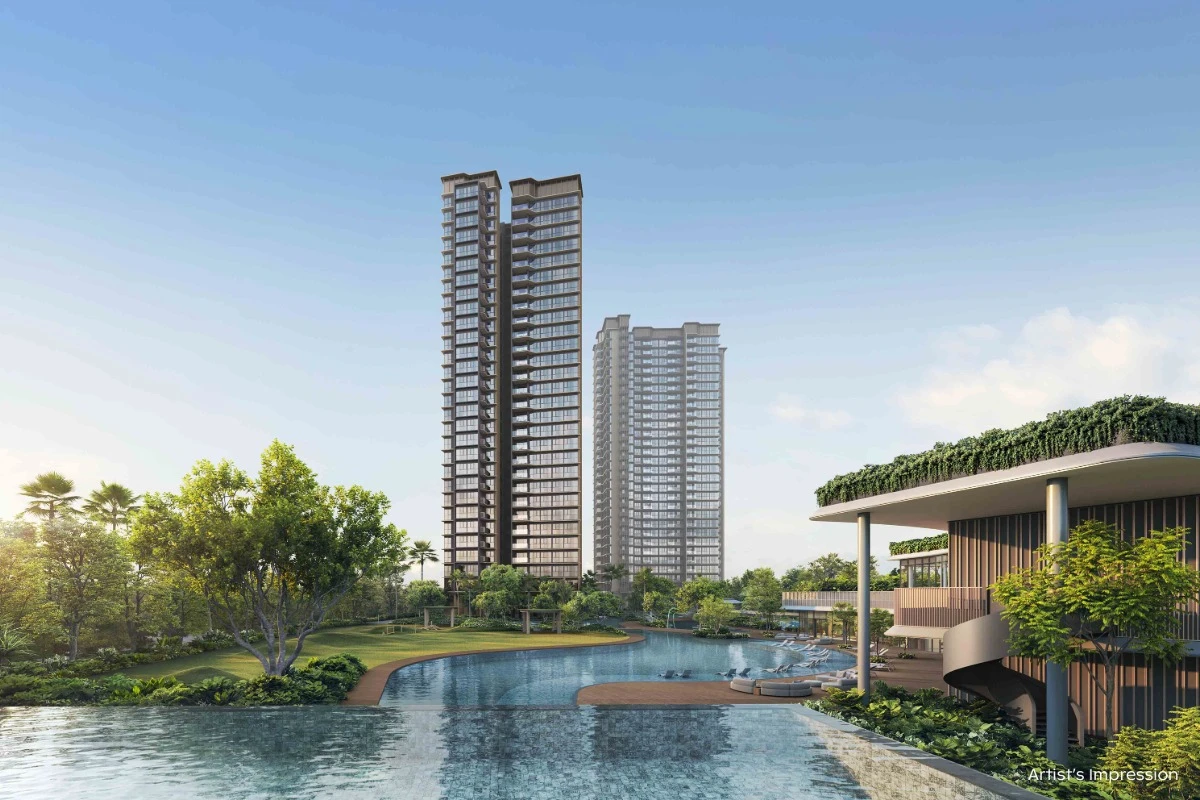
Thomson Reserve is likely to be evaluated partly as a large-scale development. That matters because scale can be a real advantage when executed well.
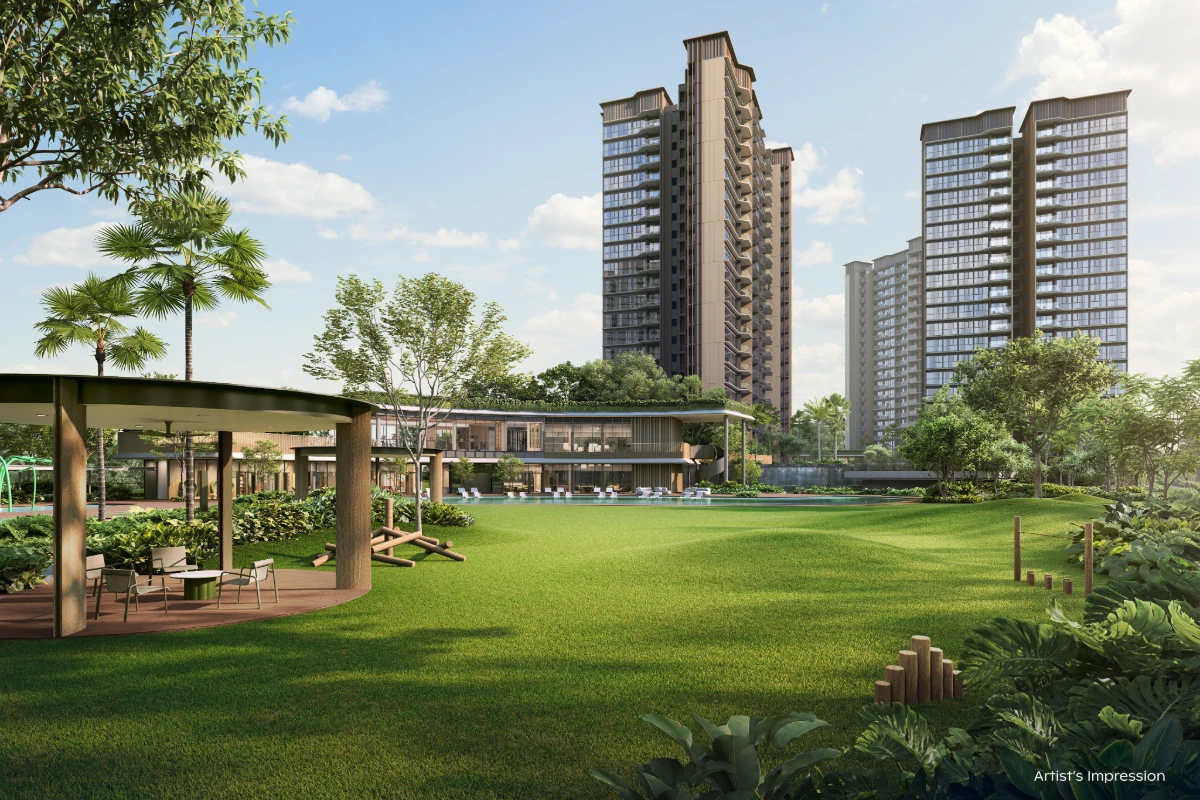
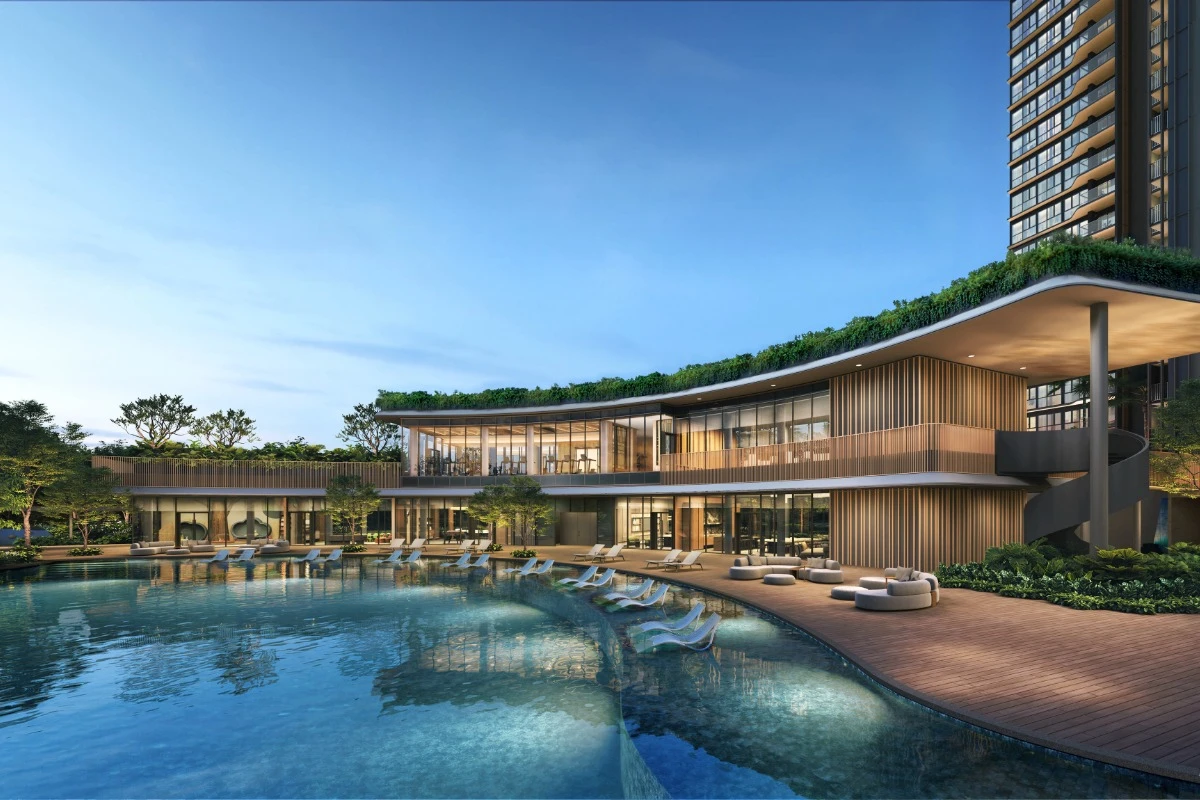
The site plan points to a substantial facilities offering. For an own-stay family, the useful test is whether the facilities they will use are convenient from their chosen block, and whether nearby activity affects privacy or noise.
Scale also means more choice across unit types and facings. That breadth is useful at launch, but buyers should look for a unit with a clear resale audience rather than assume all 1,268 homes will perform similarly.
The trade-off becomes sharper for common layouts: future sellers may compete with many similar units. Layout efficiency, floor, facing and purchase price will matter as much as the shared facilities.
For buyers assessing Thomson Reserve, it may be useful to consider how boutique condos and mega developments differ in long-term value, especially given how project size can influence both lifestyle experience and resale strategy.
Mega Development Trade-Offs: What Buyers Should Watch
The main concern with large projects is not whether they can attract buyers at launch. Many large launches can sell strongly when the pricing and narrative are compelling.
The bigger question is what happens later.
In a large development, future sellers may face more internal competition. If many similar units are available at the same time, buyers have more choices, and weaker units may need to compete harder on price. This is especially relevant for common layouts and less differentiated stacks.
Rental competition can also be more visible in large projects. If many landlords list similar units, rental pricing may become more competitive, particularly for smaller unit types.
For Thomson Reserve, this does not mean scale is a weakness. It means buyers should be more selective. The better units may be those that combine efficient layouts, good orientation, lower road exposure, better privacy, practical quantum, and stronger long-term exit appeal.
How Thomson Reserve May Compare With Jadescape, AMO and Lentor
Buyers considering Thomson Reserve may also compare it with other projects in the broader central-north corridor, including Jadescape, AMO Residence, and the Lentor launches.
Jadescape provides a useful mega-development comparison because it is also large-scale and located within a mature residential region. AMO Residence is relevant because it reflects strong family and AMK-area demand. Lentor, meanwhile, represents a newer transformation cluster with multiple launches competing within the same broader northern corridor.
But Thomson Reserve’s positioning is not identical to any of these.
Compared with Lentor, Thomson Reserve may feel less like a pure transformation bet and more like a mature-district scarcity play. Compared with Jadescape, it may offer a different Upper Thomson lifestyle, with a reservoir-adjacent feel. Compared with AMO, it may compete for similar family-oriented buyers, but with a different mix of MRT, mall, school, and nature appeal.
This distinction matters because buyers should not compare projects only by price per square foot. They should compare the type of lifestyle, exit market, and buyer pool each project is likely to attract.
Pricing and value after launch
Thomson Reserve averaged about $2,900 psf, with launch prices starting from approximately $1.544 million for a 592 sq ft two-bedroom, $2.503 million for a 947 sq ft three-bedroom and $3.388 million for a 1,238 sq ft four-bedroom.
| Home type | Size | Indicative launch price from |
|---|---|---|
| 2-bedroom | 592 sq ft | About $1.544 million |
| 3-bedroom | 947 sq ft | About $2.503 million |
| 4-bedroom | 1,238 sq ft | About $3.388 million |
That is not inexpensive in absolute terms, but value is relative. Thomson Reserve entered the market with an approximately $1,178 psf ppr land cost. The nearby Lorong Puntong / Sin Ming Avenue GLS site was subsequently awarded at about $1,612 psf ppr—roughly $434 psf ppr, or 37%, higher.
The projects will differ in scale, design and launch timing, so the land-rate gap should not be treated as a direct prediction of future selling prices. It nevertheless gives Thomson Reserve a clear cost-base advantage against one of the neighbourhood’s next likely launches and strengthens the relative-value argument from day one.
The launch result supports that view: buyers accepted the pricing across both entry-level and high-quantum family units. I therefore score Relative Price & Value at 22/25. The remaining caution is unit-specific—some stacks, floors and views may still carry premiums that are difficult to justify simply because the project sold well.
Who Thomson Reserve May Suit Best
Family Own-Stay Buyers
Thomson Reserve may appeal most naturally to family buyers who value schools, MRT access, greenery, facilities and a mature neighbourhood. For these buyers, the decision may be less about short-term yield and more about whether the project supports long-term living.
Upper Thomson, Bishan and AMK Upgraders
Buyers already familiar with Upper Thomson, Bishan, Sin Ming, Ang Mo Kio or Marymount may see Thomson Reserve as a natural upgrade option. This local familiarity could support stronger demand because these buyers already understand the district’s daily convenience.
Nature and Lifestyle Buyers
For buyers who want greenery without giving up MRT access and daily amenities, Thomson Reserve may offer an attractive combination. Few launches can combine reservoir proximity, a mature food belt, mall convenience and transport access in the same way.
Investors
Investors may need to be more selective. The district has rental demand, but Thomson Reserve’s investment case will depend heavily on entry price, unit quantum, unit mix, rental competition and future resale differentiation.
For investors, the strongest opportunities may not simply be the cheapest units. They may be the units with the clearest exit audience, efficient layouts and stronger differentiation within the development.
Risks Buyers Should Watch Closely
Thomson Reserve may have strong fundamentals, but buyers should still approach it with discipline.
- Unit premiums: A strong overall launch does not mean every floor, facing or stack premium is equally defensible.
- Stack variation: Views, privacy and road exposure differ materially across the six towers.
- Internal resale competition: Similar units may be listed together later, making layout, facing, condition and entry price more visible.
- Layout efficiency: Buyers should study whether layouts work well in real life, not just on paper.
- Road exposure: Some stacks may face more traffic movement or noise.
- Rental competition: The 716 two-bedroom homes may create meaningful competition among landlords of similar smaller layouts.
These risks do not make Thomson Reserve unattractive. They simply mean buyers should avoid treating the project’s strengths as a reason to skip proper selection and price analysis.
My verdict after launch
Thomson Reserve’s 90% launch result was not simply a triumph of low entry quantum. The complete sell-out of its three- and four-bedroom homes, together with 26 of 28 five-bedroom suites sold, shows depth across family and affluent own-stay demand.
The project’s fundamentals are unusually complete: a walkable MRT station, Thomson Plaza, established food and services, strong school appeal, nearby nature, a substantial site and reputable developers. The Lorong Puntong land award also makes the launch pricing look more defensible against future neighbourhood supply.
My rating is 88/100 — Standout. That does not mean buyers should chase whatever remains. More than half the project comprises two-bedroom homes, so both rental and resale differentiation will matter. Buyers should scrutinise layout efficiency, road and facility exposure, privacy, view, floor premium and total quantum.
For family own-stay buyers who value Upper Thomson’s location and can hold through the construction period, Thomson Reserve deserves serious consideration. Selective investors may also find opportunities, but should be realistic about achievable rent, gross yield and competition from hundreds of similar two-bedroom units.
Need a second opinion on a remaining unit?
I can help you test its layout, facing, floor premium and total price against the alternatives that still make sense for your plans.
Frequently asked questions
How many Thomson Reserve units sold at launch?
Thomson Reserve sold 1,143 of its 1,268 homes at launch, equivalent to just over 90%. The development achieved an average selling price of about $2,900 psf.
Which Thomson Reserve unit types sold out?
All 350 three-bedroom homes and all 174 four-bedroom homes sold. The 200 two-bedroom Premium + Study homes also sold out, while 26 of the 28 five-bedroom suites were sold.
Were the larger Thomson Reserve homes popular?
Yes. Nearly all four- and five-bedroom homes had already been taken during the VIP booking before the main booking day. That is meaningful because these homes required substantially higher absolute budgets.
What was the average Thomson Reserve launch price?
The development achieved an average price of about $2,900 psf. Starting prices were approximately $1.544 million for a 592 sq ft two-bedroom, $2.503 million for a 947 sq ft three-bedroom and $3.388 million for a 1,238 sq ft four-bedroom.
Are Thomson Reserve units still available?
The launch result left 125 homes unsold as of 1 November 2026. Availability can change through subsequent sales or cancellations, so buyers should check the current selection before assessing a specific unit.
Is Thomson Reserve a good investment property?
It has strong MRT, amenity and family-location fundamentals, but investors should be selective. The large number of two-bedroom homes may create internal rental competition, while an average purchase price near $2,900 psf can limit gross yield. Layout, facing, rent quantum and exit differentiation matter.
What is Noam Nathan’s rating for Thomson Reserve?
My Ratings score for Thomson Reserve is 88/100, assessed on 1 November 2026. It scores strongly for location, relative value, project proposition and exit strategy, with rentability the more moderate category.
Is Thomson Reserve near Ai Tong School and Upper Thomson MRT?
Yes. Thomson Reserve is within walking distance of Upper Thomson MRT and close to Ai Tong School, Thomson Plaza, the Upper Thomson food belt and nearby nature areas including MacRitchie Reservoir and Windsor Nature Park.